Good winter refit planning starts with a spares list, not a booking. If the parts for your engine room are identified and ordered in November, they are on the shelf when the engineer starts work, and the vessel goes back into service on the date you planned rather than the date the last part arrived.
This guide is for skippers, owners and fleet engineers putting together a refit for a fishing boat, workboat, passenger vessel or private craft. It covers how to build the list, which spares belong on it and when the winter is the right moment to think about a repower.
When should you start planning a winter refit?
Start planning a winter refit as soon as the vessel comes out of service. The season’s faults are still fresh, the engine can be inspected while it is laid up, and you have the most choice of engineer time and parts before the spring rush.
Leaving it until the new year compresses everything into the same few weeks as every other operator. Parts that are normally on the shelf can run short, and anything that has to come from the manufacturer has less time to arrive.
How do you build a marine engine spares list for a refit?
Build a marine engine spares list from the engine’s details, its service history and an inspection, in that order:
- Record the engine make, model and serial number, plus the gearbox and pump details. Correct part numbers depend on them, especially on older engines where parts have changed over the years.
- Note the running hours and check them against the service schedule in the manufacturer’s manual, so you know which interval services fall due over the winter.
- Add everything from the season’s fault list: the slow start, the weeping seal, the alarm that went off twice.
- Have the engine room inspected while the vessel is laid up, and add anything the engineer finds.
- Separate the list into parts to fit during the refit and spares to carry on board next season.
If documentation is incomplete, send the engine details to a supplier’s technical team before ordering. A part that arrives and does not fit costs more time than the phone call.
Which engine room spares should be on every refit list?
Most commercial and leisure refits need the same core engine room spares, whatever the make of engine:
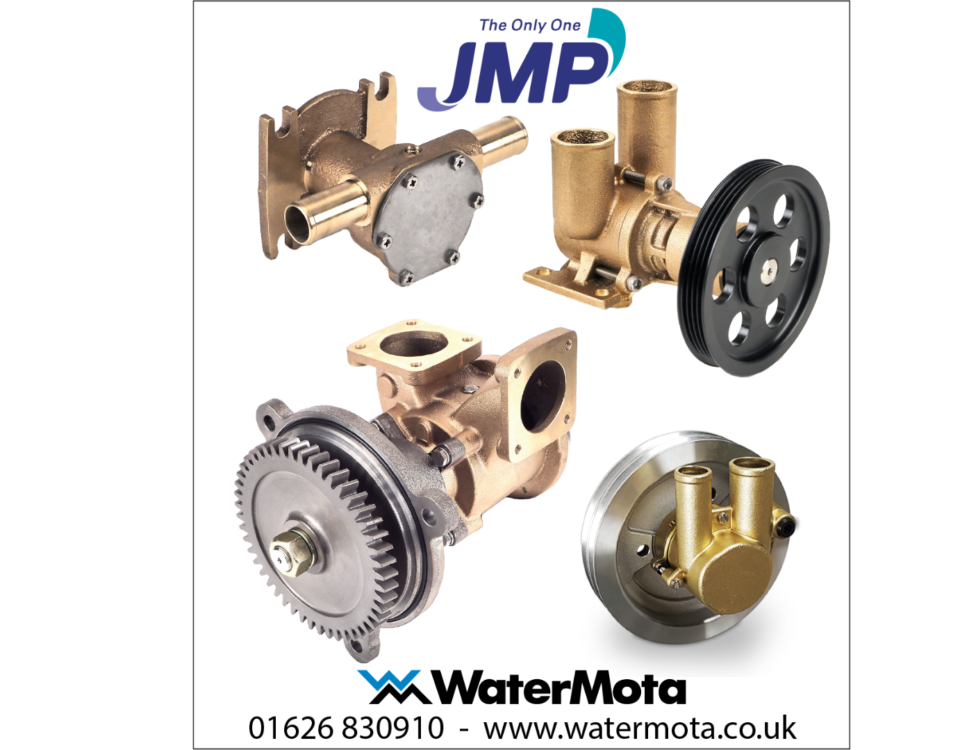
- Flexible impellers and pump repair kits for the sea water pump, such as the JMP range.
- Fuel, oil and air filters, plus a fuel water separator element.
- Drive belts.
- Sacrificial anodes for the hull, shaft and engine, sized to suit your vessel.
- Sea water strainer baskets and seals.
- Gaskets and seals for any component being opened up.
- Hoses and clips that showed cracking or corrosion at lay-up.
- Gearbox oil and filters.
- Control cables, or a review of the controls if the cables are tired.
For the spares carried aboard, a spare impeller, a set of fuel filters and a drive belt are a sensible minimum on most vessels. Your engineer can advise on anything else your engine and route call for.
Why order marine engine spares before spring?
Ordering marine engine spares before spring gives you time to deal with the parts that are not on a shelf. Common service items are often available quickly, but parts for less common or older engines, larger pumps and gearbox components can have longer lead times [confirm with client].
Ordering early also means every part can be checked against the engine before the engineer arrives. Watermota’s online shop stocks impellers, sea water pumps, spare parts, strainers and accessories, with same-day despatch on orders placed before midday and free UK delivery on orders over £100. Orders can also be collected from our Newton Abbot premises between 8am and 5pm, Monday to Friday.
Is a winter refit a good time to repower a vessel?
A winter refit is often the right time to repower, because the vessel is already out of service and the engine room is already open. If an ageing engine needs a major overhaul, compare the cost and downtime of that work with a new engine before committing to either.
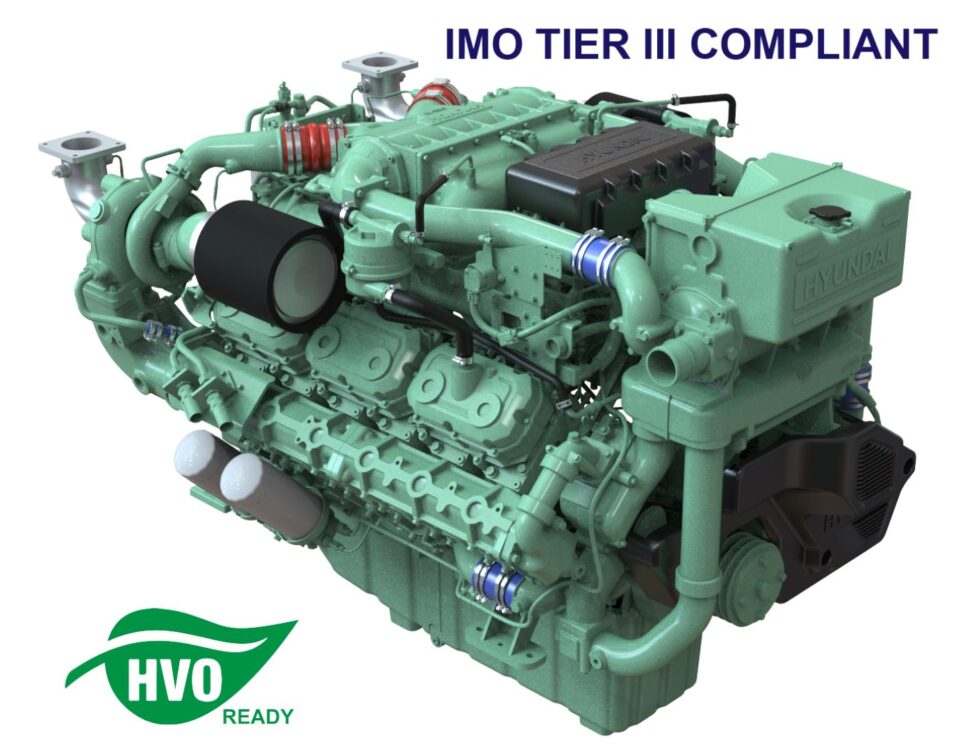
Watermota supplies HD Hyundai marine propulsion engines, including the electronic range covering 130 kW to 908 kW, along with D-I Industrial marine transmissions. A repower needs planning time for engine selection, installation and commissioning, so it is worth raising early in the winter rather than once the refit is under way [confirm with client].
How can Watermota help with your winter refit?
Watermota has supplied engine room packages to the marine industry since 1911 and supports operators from our base on the Heathfield Industrial Estate in Newton Abbot. Our technical support team can help identify parts from your engine make, model and year, and our engineering team offers commissioning, overhauls, repairs and workshop services for all makes of marine engine.
If you work with a local dealer, the dealer map on our website shows where support is available around the UK.
Frequently asked questions about winter refit planning
How far ahead should I order parts for a winter refit?
Order parts as soon as the spares list is complete, ideally in November or December. That leaves time for anything with a longer lead time to arrive before work starts.
What information do I need to order the right engine spares?
Have the engine make, model, serial number and year to hand, plus pump and gearbox details. Part numbers from the old components are also useful.
Should I keep spare parts on board as well as fitting new ones?
Yes. Carrying a spare impeller, fuel filters and a drive belt means many common faults can be fixed at sea or on the quay, without waiting for a delivery.
Call Watermota on 01626 830910 or email sales@watermota.co.uk to put together the spares for your winter refit.