IMO Tier III NOx (nitrogen oxides) emission standards represent the most stringent marine engine emission requirements currently in force. For commercial vessel operators whose routes include Emission Control Areas (ECAs), understanding the compliance requirements, the technology options, and the practical implications is essential operational knowledge.
At Watermota, we supply and support HD Hyundai Tier III certified marine engines and associated systems. Here is a clear guide to the regulatory landscape and what it means in practice.
What Are IMO Tier III NOx Limits?
The International Maritime Organization’s MARPOL Annex VI Regulation 13 sets out three tiers of NOx emission limits for marine diesel engines, based on engine speed and the build date of the vessel. Tier III limits, applicable to engines installed on ships constructed on or after 1 January 2016 that operate in designated ECAs, require NOx emissions to be approximately 80 percent lower than the Tier I baseline.
The specific limit for a medium-speed engine (typically 130 to 2000 RPM) under Tier III is 9 grams of NOx per kilowatt-hour. This is a significant reduction from the 14.4 g/kWh limit applicable under Tier II.
Which Vessels Are Affected?
Tier III requirements apply to:
- New vessels constructed from 1 January 2016 onwards and covered by the below points
- Vessels operating in designated Emission Control Areas, currently the North American ECA, the US Caribbean ECA, the North Sea ECA, and the Baltic Sea ECA.
- Vessels fitted with engines of over 130kW.
For operators whose routes include North Sea or Baltic transits, Tier III compliance is therefore a direct operational requirement. For purely domestic UK coastal operators outside these ECAs, Tier II limits currently apply, though the regulatory direction of travel is clearly toward tighter emissions controls.
Technology Options for Tier III Compliance
Two primary technologies are used to achieve Tier III NOx reduction:
Selective Catalytic Reduction (SCR)
SCR systems inject a urea-based solution (AdBlue or marine equivalents) into the exhaust stream, where a catalytic reaction converts NOx to nitrogen and water. SCR is highly effective and can be retrofitted to existing engines in some cases. The running cost of the urea solution and the maintenance requirements of the catalyst are the primary operational considerations.
Exhaust Gas Recirculation (EGR)
EGR reduces NOx formation in the combustion process by recirculating a portion of exhaust gas back into the intake air, reducing peak combustion temperatures. EGR is typically integrated into the engine design and does not require an external consumable. It tends to have a moderate fuel consumption penalty compared to a non-EGR engine.
HD Hyundai Tier III Certified Engines
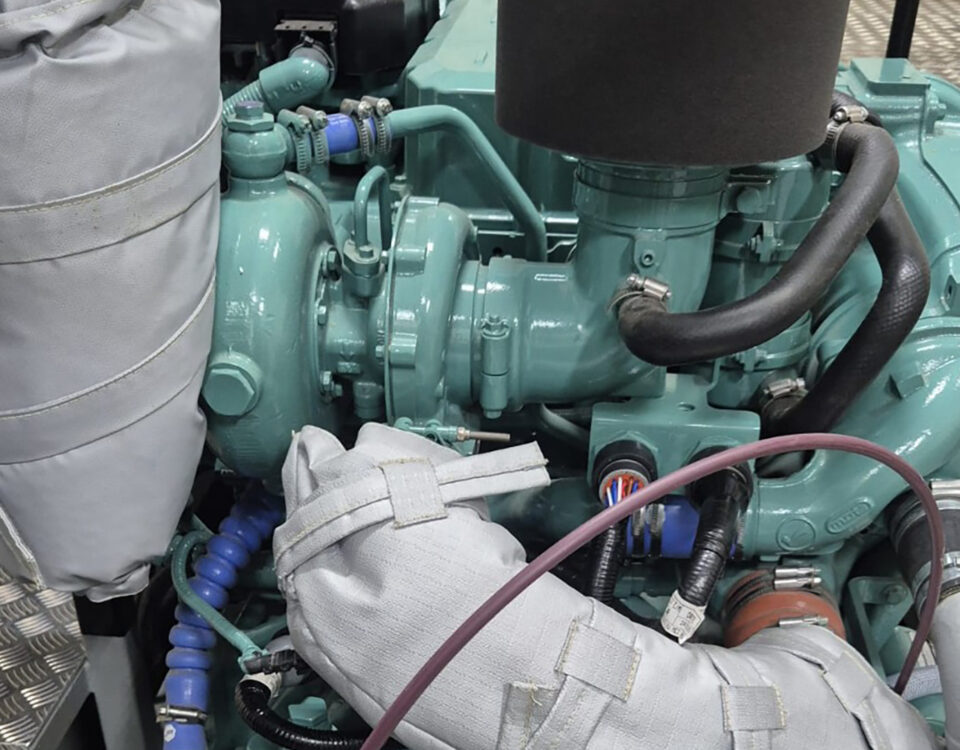
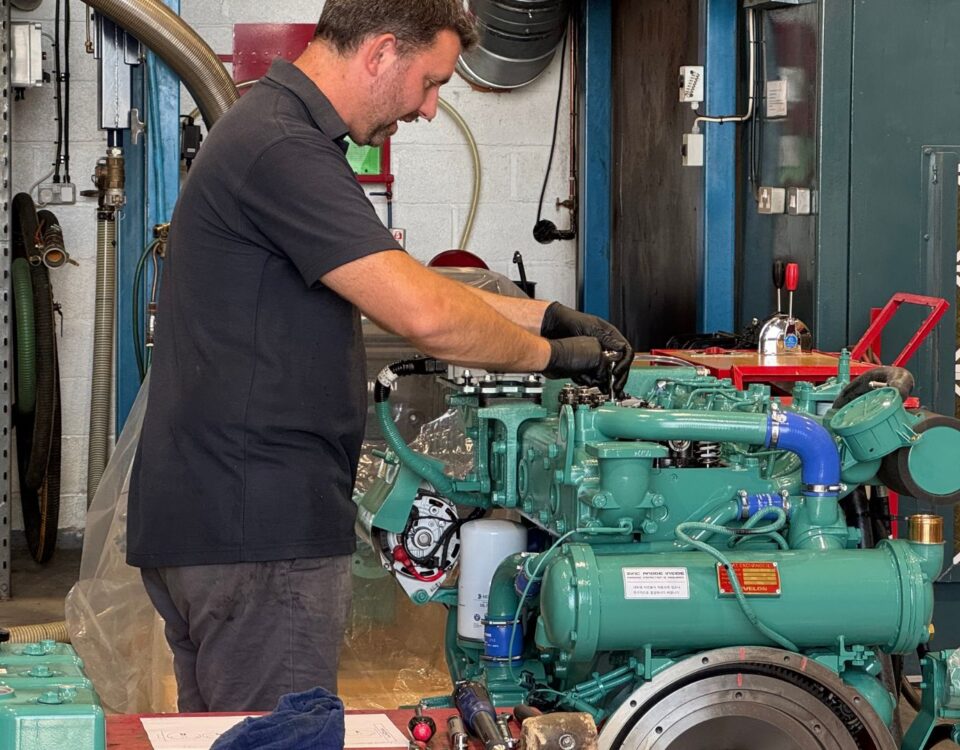
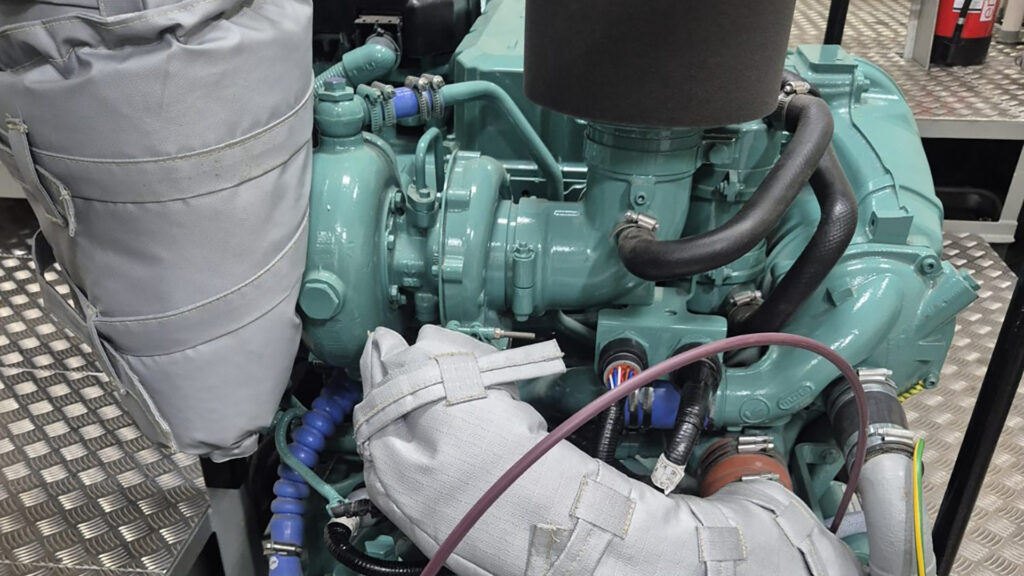
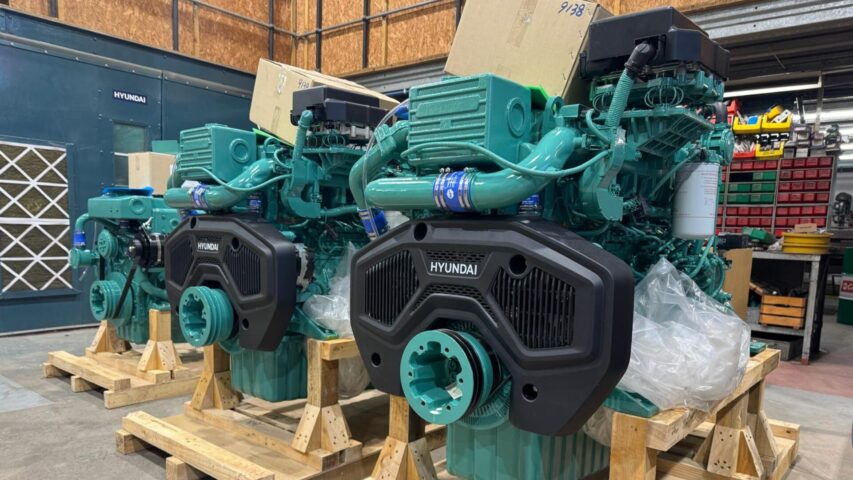
Watermota is the official UK distributor for HD Hyundai marine engines, including Tier III certified propulsion and generator packages across the commercial power range. These engines meet Tier III standards through integrated SCR technology and are certified at the factory by a classification society. These are backed by full UK parts and service support, and are available for new builds and, where applicable, repowers.
Compliance Documentation
Tier III compliance requires the correct Engine International Air Pollution Prevention (EIAPP) certificate for the engine, which documents its certified emission level. Operators are responsible for ensuring installed engines carry the appropriate certification for their operational area and that compliance technology (Exhaust aftertreatment) is properly maintained.
Contact the Watermota technical team to discuss Tier III engine options for your vessel or fleet.