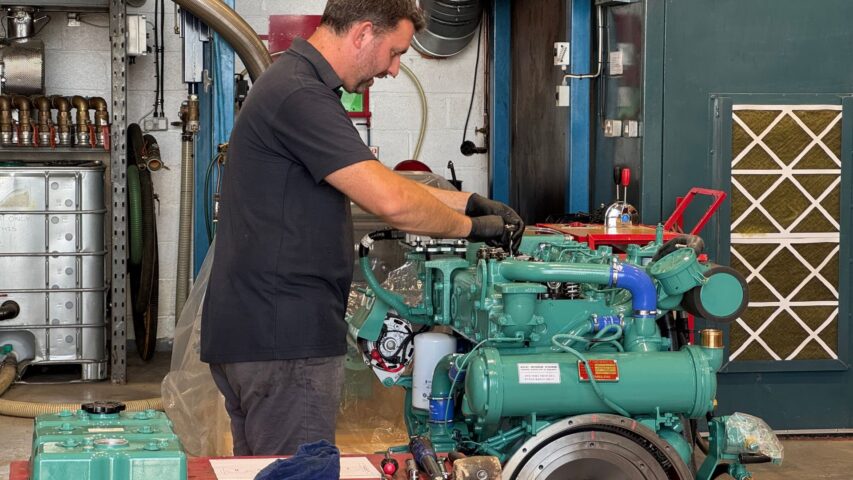
Every commercial marine engine reaches a decision point eventually. The question is whether that point calls for a full overhaul, a partial rebuild, or a complete replacement. There is no single correct answer, and the right choice depends on the engine’s age, condition, hours run, availability of parts, and how well the existing power unit still matches the vessel’s operational requirements.
Making the wrong call in either direction is expensive. An overhaul carried out on an engine that is beyond economic recovery wastes money on labour and parts that does not restore full reliability. Replacing an engine that could have been cost-effectively overhauled throws away serviceable hardware unnecessarily. Getting this assessment right is one of the most valuable things a good engineering relationship can provide.
Indicators That Point Towards an Overhaul
A major overhaul is generally warranted when the engine’s internal components have reached the end of their service life but the block and major castings are in good condition. Key indicators include increased oil consumption, reduced power output, excessive blow-by past the piston rings, and wear measurements on the cylinder bores and bearings that exceed manufacturer tolerances.
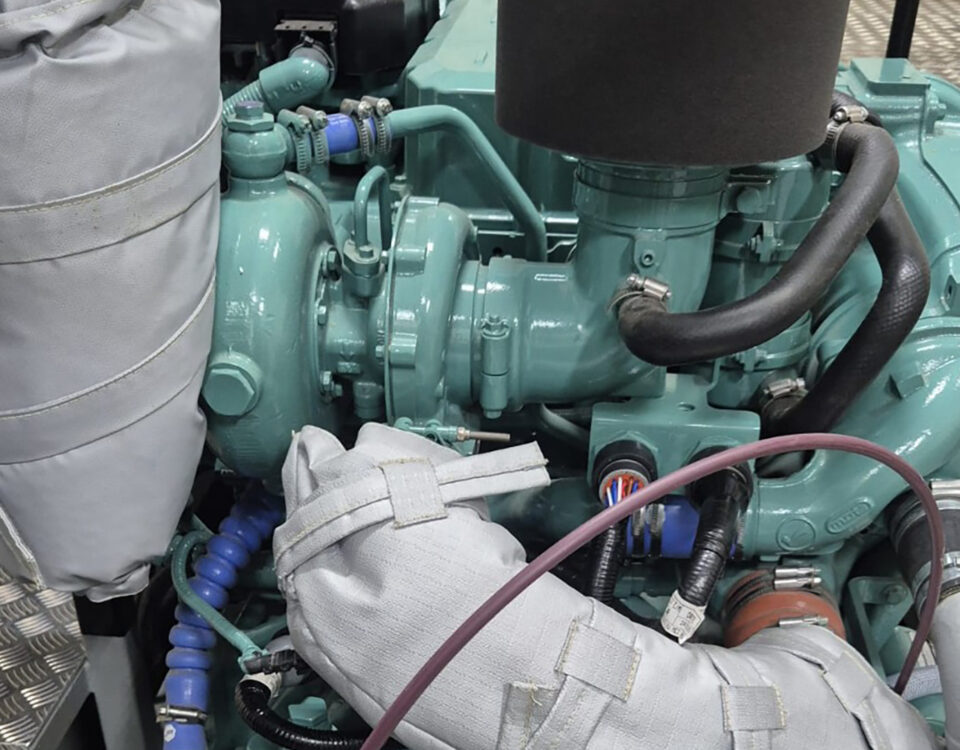
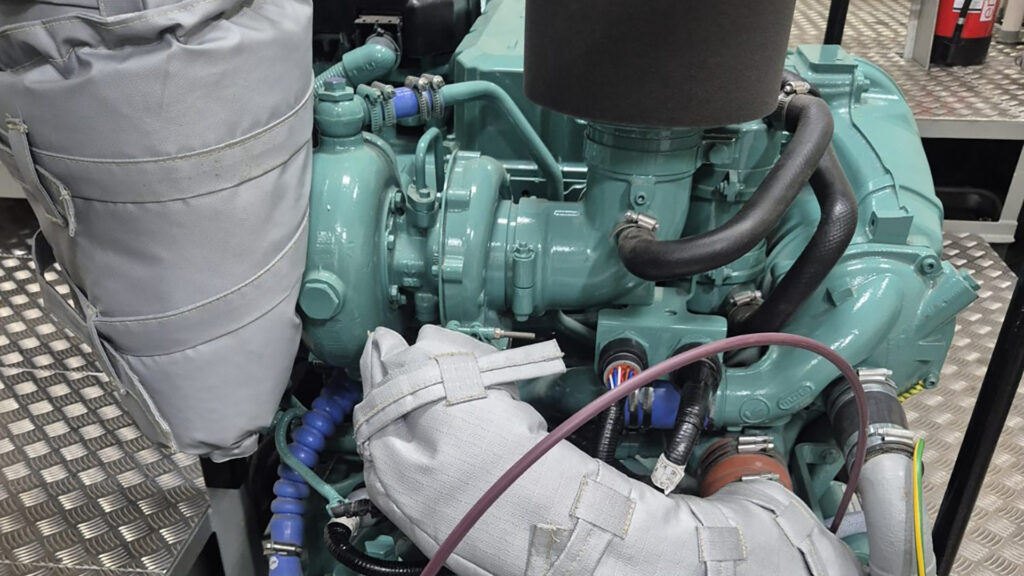
On a Doosan commercial propulsion unit, a well-executed overhaul restores the engine to performance specifications and, with good maintenance, should deliver a further substantial service life. Watermota’s engineering workshops carry out full overhauls including cylinder head work, injection system reconditioning, and gearbox attention where required.
Indicators That Point Towards Replacement
Replacement becomes the more rational choice when overhaul costs approach or exceed the cost of a replacement engine, when the engine platform is no longer fully supported by the manufacturer (making parts increasingly difficult to source), or when the existing engine specification no longer matches the vessel’s requirements after a change in operation.
Age alone is not a reliable indicator. Some engines with very high hours in well-maintained condition are better candidates for overhaul than lower-hour units that have been poorly maintained or run in conditions that have caused disproportionate wear.
The Value of a Proper Condition Assessment
Before committing to either path, a thorough condition assessment is the right starting point. This involves taking measurements across key wear surfaces, reviewing service history, inspecting the fuel injection system, and assessing the gearbox and ancillaries. The findings give a clear picture of what an overhaul would involve and what it would realistically achieve.
Watermota’s engineering team carries out condition assessments on commercial marine engines of all makes, not only Doosan units. If you are weighing up overhaul versus replacement on a vessel engine, we can provide an honest, technically grounded assessment and help you arrive at the right decision for your operation. Call us on 01626 830910.